Olive Oil Grades: 6 Types From Extra Virgin to Pomace
Olive oil grades in one chart: extra virgin, virgin, refined, olive oil, pomace and lampante, how each is made and which ones you can buy.
Olive oil grades run from extra virgin at the top, through virgin and lampante, to refined olive oil, plain olive oil and olive-pomace oil at the bottom. That is six types in all, and you can buy only some of them. In most stores you see extra virgin, "olive oil," light-tasting olive oil and sometimes pomace oil.
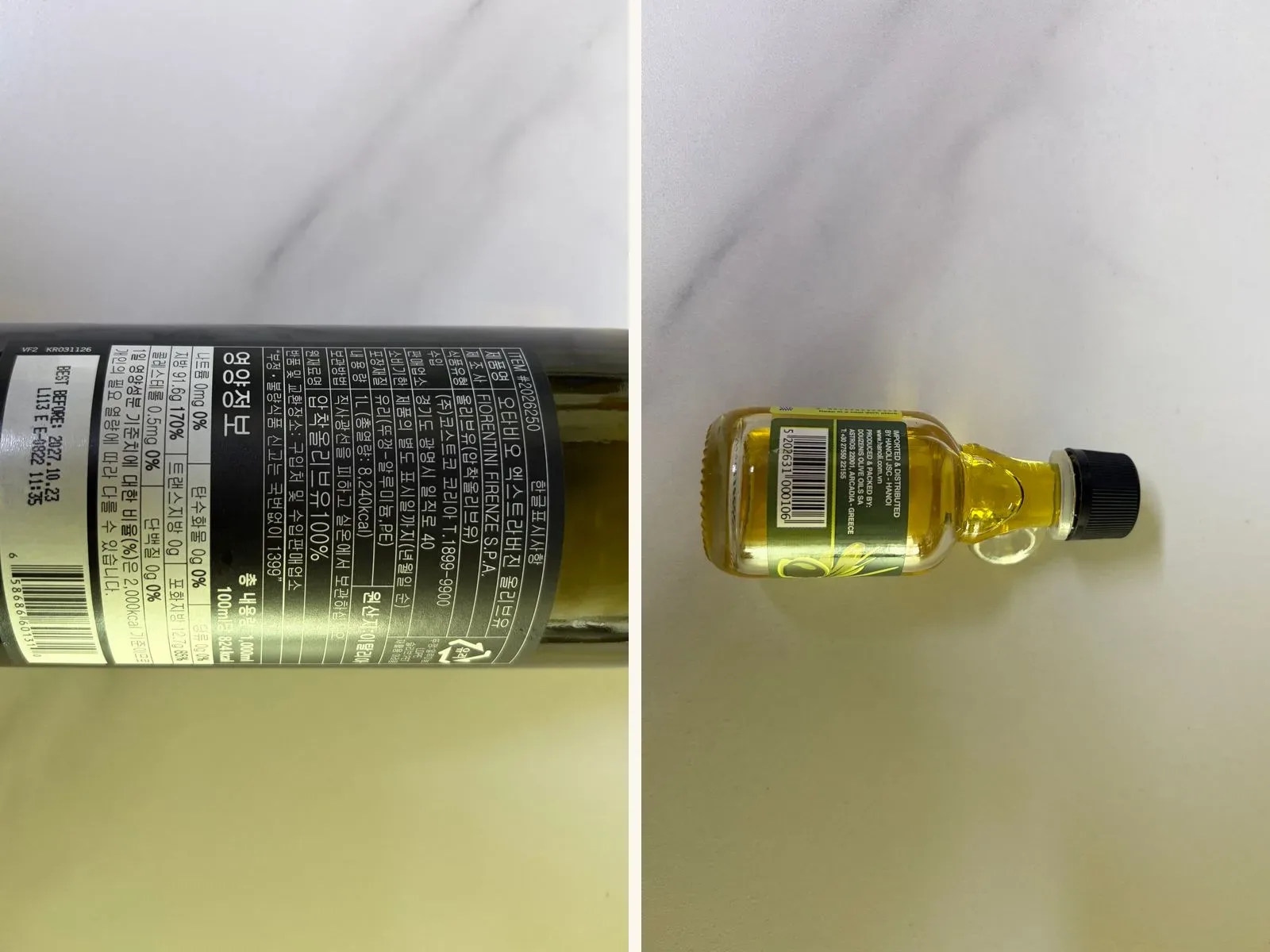
I did not know any of these grades until I looked up how to choose olive oil. Both bottles in my kitchen, a 1 liter bottle from Costco and a 40 ml bottle I bought on a work trip to Vietnam, say extra virgin. Our family goes through about 2 liters in two months, so I wanted to know what the other words on the shelf mean.
The olive oil grades chart
The International Olive Council (IOC), an intergovernmental body that sets trade standards for olive oil, splits olive oil into two families. Virgin oils are only pressed. Refined oils are treated to remove flavor and defects.
| Grade | How it is made | Free acidity (IOC) | In stores? |
|---|---|---|---|
| Extra virgin olive oil | Pressed only, top virgin grade | 0.8 g per 100 g or less | Yes, everywhere |
| Virgin olive oil | Pressed only, lower virgin grade | 2 g per 100 g or less | Rarely in North America |
| Lampante virgin olive oil | Pressed only, not fit to eat as it is | More than 3.3 g per 100 g | No, sent for refining |
| Refined olive oil | Virgin oil refined to remove defects | 0.3 g per 100 g or less | Rarely on its own |
| Olive oil (pure, classic, light) | Refined olive oil blended with virgin | 1 g per 100 g or less | Yes |
| Olive-pomace oil | Taken from pressed olive paste, then refined | 1 g per 100 g or less (blend) | Sometimes |
Free acidity is a lab measurement, expressed as oleic acid. You will not usually see it on the label. The grade name on the front is what tells you which row the bottle belongs to.
Virgin vs extra virgin olive oil
Virgin and extra virgin olive oil are made the same way: by pressing olives, with no refining. The North American Olive Oil Association (NAOOA) says chemical solvents are never used to extract any type of olive oil.
The difference is quality. Extra virgin must have a free acidity of 0.8 grams per 100 grams or less. Virgin can go up to 2 grams. Extra virgin also has to pass a taste test. The NAOOA says official grading uses a panel of at least eight trained tasters.
You will rarely have to choose between the two. The NAOOA notes that virgin olive oil is not generally sold at retail in North America.
The refined side: refined olive oil, "olive oil" and light
Refined olive oil starts as virgin oil that is not good enough to eat as it is. Refining removes the defects and leaves a mild taste. The IOC says refined olive oil can be sold to shoppers directly only where the country allows it, and the NAOOA says it is generally not sold at retail in North America.
What you do see is the blend. A bottle labeled just "olive oil," also sold as pure or classic, is mostly refined olive oil with some virgin olive oil added for flavor. Light or light-tasting olive oil is the same idea with very little virgin oil. The NAOOA says it is not a separate grade.
The bottom of the ladder: olive pomace oil and lampante
After olives are pressed, a paste of skins, pulp and pits is left. That paste is the pomace. The IOC says olive-pomace oil is taken from it with solvents or other physical treatments. The crude oil is not for eating until it is refined and usually blended with some virgin olive oil.
Pomace oil is sold under its own name, olive-pomace oil. If you see "pomace" on a bottle, you know it came from the leftovers, not from the first pressing.
Lampante is the lowest virgin grade. The IOC says it is not fit to eat as it is and is meant for refining or technical use.
Which olive oil grade should you buy?
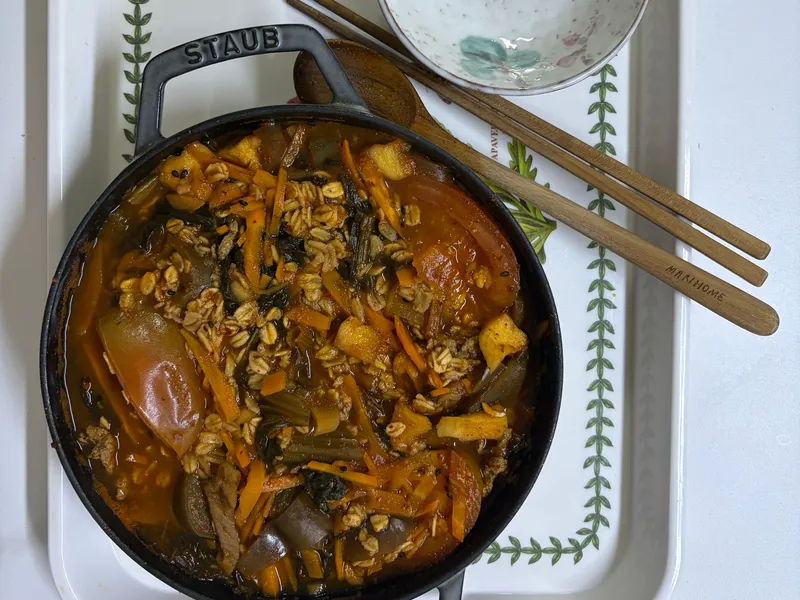
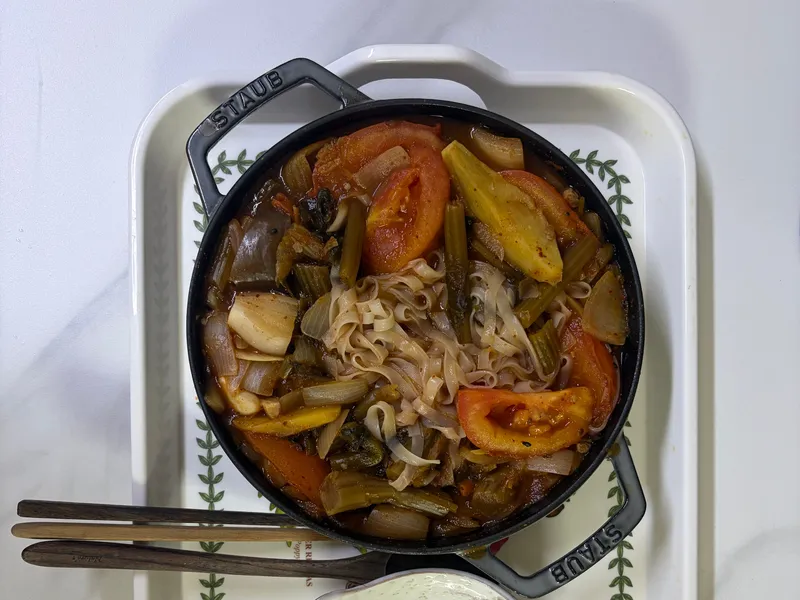
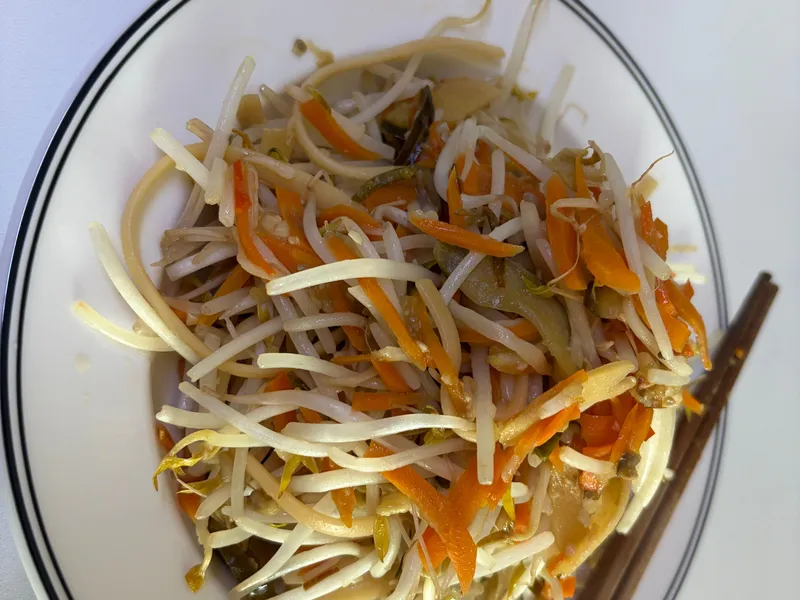
For drizzling at the table, which is how I use olive oil on stir-fried noodles, extra virgin is the grade that tastes like olives. I add it to a spaghetti stir fry with fish sauce right before eating.
For cooking, the NAOOA lists extra virgin for sautéing, roasting, baking and pan frying. If you want a milder taste for frying, plain olive oil or light-tasting olive oil is the refined choice. The smoke points of each are in my guide on how to choose olive oil, along with how to read the dates on the label.
Questions
What are the grades of olive oil?
The International Olive Council lists extra virgin, virgin and lampante virgin olive oil, then refined olive oil, olive oil (a blend of refined and virgin), and olive-pomace oil. Extra virgin is the top grade. Lampante is not fit to eat until it is refined.
What is the difference between virgin and extra virgin olive oil?
Both are made only by pressing olives, with no refining. Extra virgin has a free acidity of no more than 0.8 grams per 100 grams, virgin up to 2 grams, and extra virgin must also pass a trained tasting panel. Virgin olive oil is rarely sold in North American stores.
What is pomace olive oil?
Olive-pomace oil is taken from the paste left over after the olives are pressed, using solvents or other physical treatments. It is then refined and usually blended with some virgin olive oil. It is sold under its own name, olive-pomace oil.
Is light olive oil a separate grade?
No. The North American Olive Oil Association says light or light-tasting olive oil is not a separate grade. It is refined olive oil with very little virgin oil added, so it tastes milder. Light refers to the taste, not the calories.
What is lampante olive oil?
Lampante is the lowest virgin grade. The International Olive Council says it is not fit to eat as it is and is meant for refining or technical use, so you will not find it on a store shelf.