What Is Durum Wheat? Why I Use Pasta for Stir-Fry Noodles
Durum wheat is the hardest wheat, milled into semolina for pasta. Here is why durum pasta holds up in a stir fry and how to read the label.
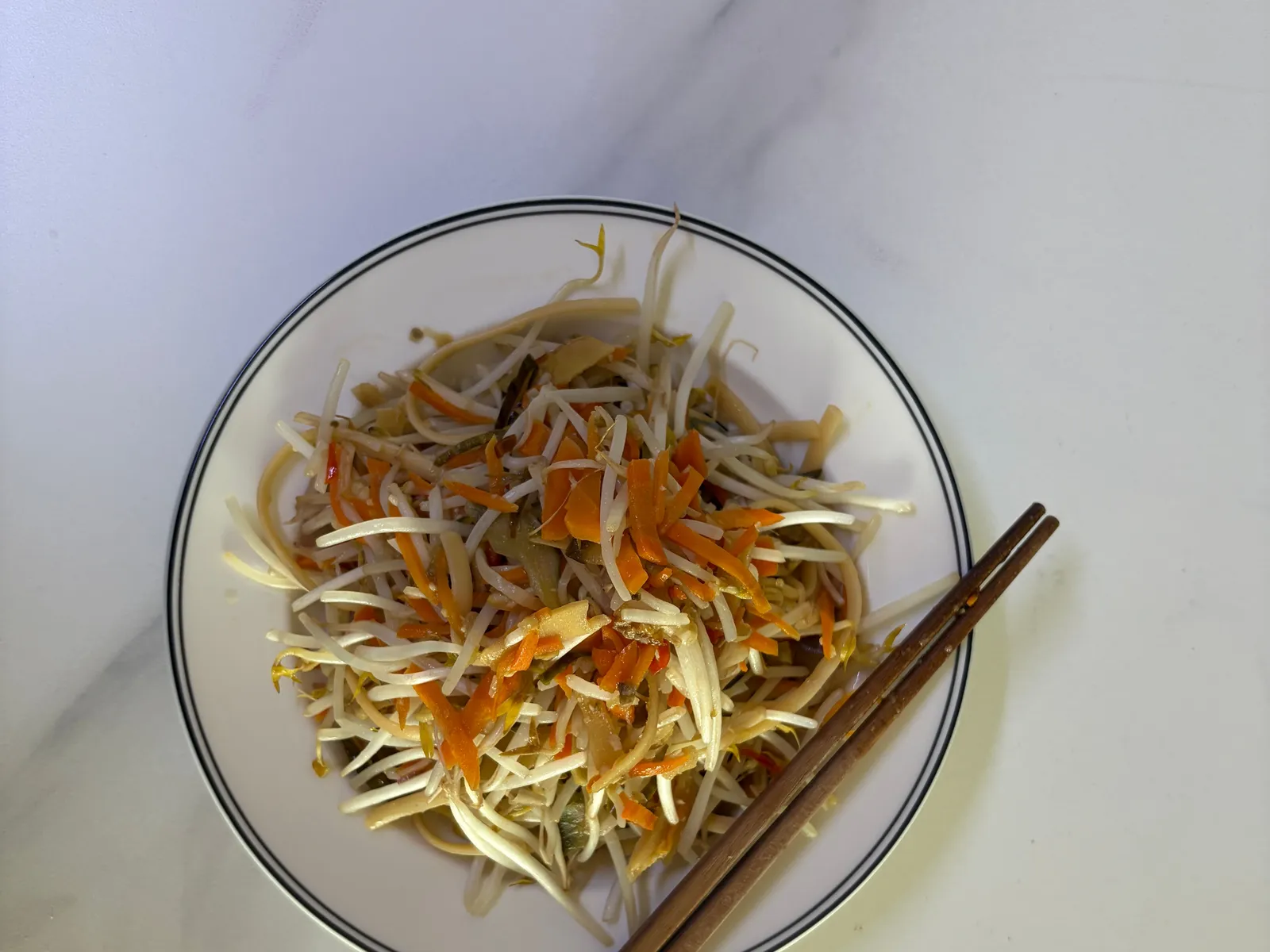
What is durum wheat? It is the hardest kind of wheat, and it is what most dried pasta is made from. It is milled into coarse golden semolina, and the strong gluten in that semolina keeps pasta firm after it is boiled. That firmness is why I use durum wheat pasta, plain spaghetti, as the noodle in my Southeast Asian-style stir fry.
Why I started making stir-fry noodles with pasta
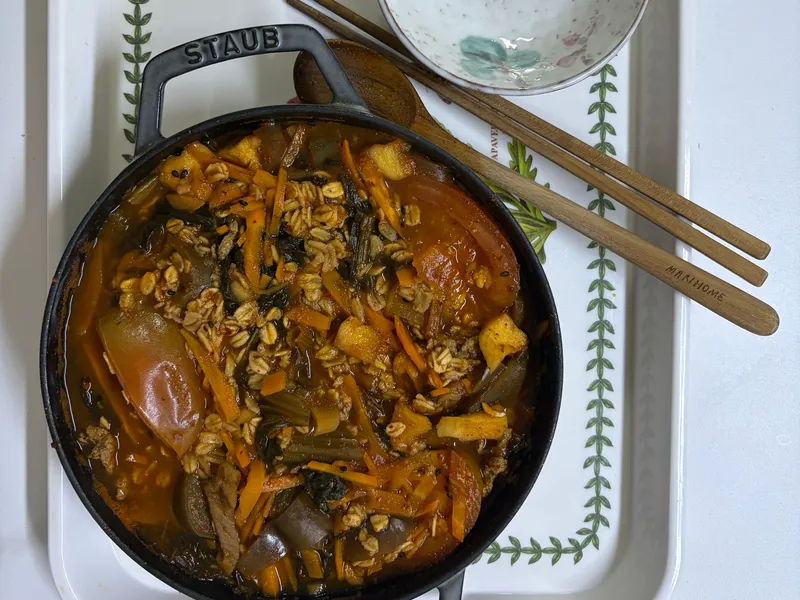
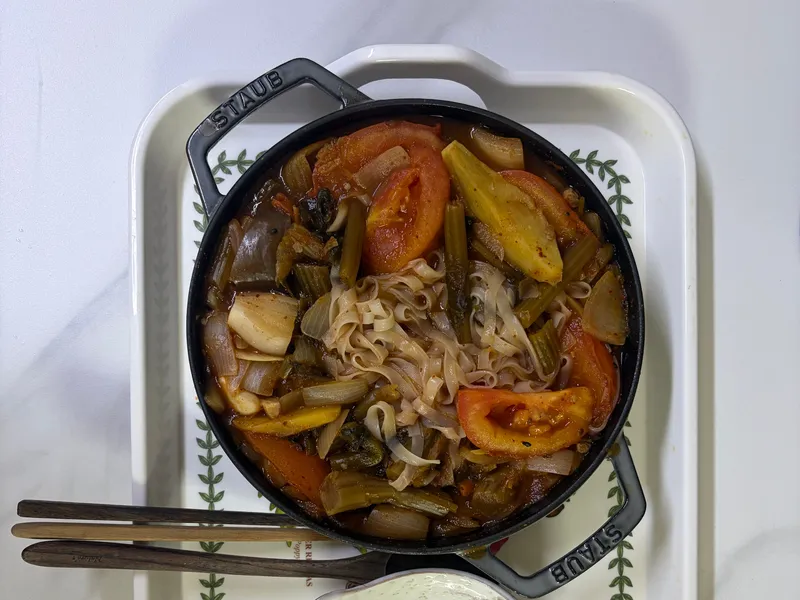
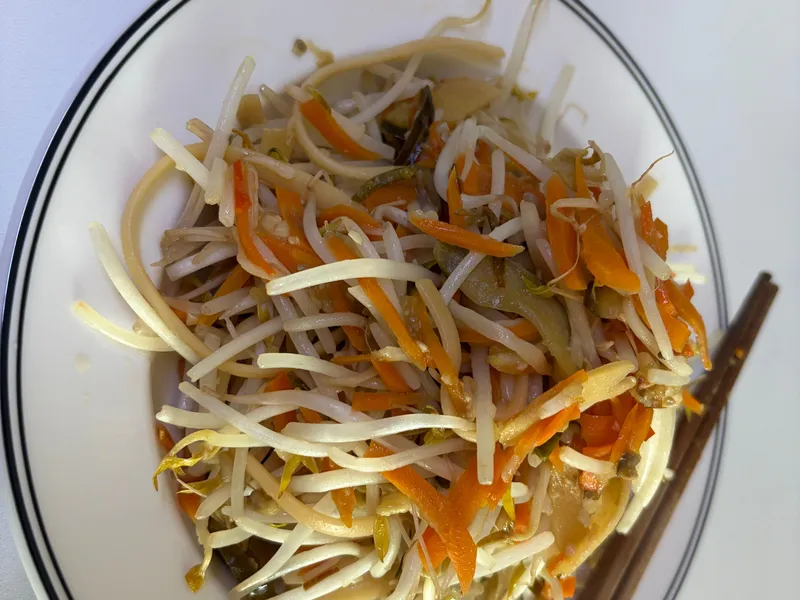
I like Southeast Asian fried noodles: ginger, chili and garlic in hot oil, fish sauce, oyster sauce and a handful of bean sprouts at the end. When I want them for breakfast, I make them with pasta: the spaghetti that is already in the cupboard.
The pasta gets tossed in the pan with vegetables, fish sauce and oyster sauce, and it holds together. The recipe is here: spaghetti stir fry with fish sauce. This guide explains the grain behind it.
What is durum wheat?
Durum wheat is a species of wheat, Triticum durum, grown mainly to make pasta. It is sometimes called pasta wheat or macaroni wheat. The North Dakota Wheat Commission describes it as the hardest of all wheats; North Dakota and Montana grow most of the durum in the United States.
Durum is a different species from the wheat used for bread. Bread wheat, Triticum aestivum, has 42 chromosomes. Durum wheat has 28. The kernels are larger and glassier, and the inside of the kernel is yellow instead of white. That yellow is the color you see in dry pasta.
Durum wheat vs bread wheat at a glance
| Durum wheat | Bread wheat (common wheat) | |
|---|---|---|
| Species | Triticum durum | Triticum aestivum |
| Hardness | Hardest of all wheats | Hard or soft, depending on the class |
| Inside of the kernel | Yellow | White |
| Milled into | Semolina, durum flour | All-purpose, bread and cake flour |
| Main uses | Dried pasta, couscous | Bread, cakes, cookies, many noodles |
The species and chromosome counts come from the standard botanical description of durum wheat. The hardness and color come from the North Dakota Wheat Commission and U.S. Wheat Associates.
What is durum wheat semolina?
Durum wheat semolina is durum wheat milled into coarse, sandy granules instead of fine powder. Pasta makers mix it with water, push the dough through dies and dry it. Semolina pasta is simply pasta made this way.
According to U.S. Wheat Associates, durum wheat typically has 12 to 15 percent protein. Much of that protein forms gluten when it meets water. In durum, the gluten network is strong and holds the starch tightly, which is why semolina pasta keeps its shape.
Why durum wheat pasta holds up in a stir fry
A stir-fry noodle goes through two rounds of cooking. First it is boiled, then it is tossed in a hot pan with oil, vegetables and sauce. A soft noodle breaks or turns mushy in the second round.
The North Dakota Wheat Commission explains that durum pasta stays firm, or al dente, because its starch is held in a strong gluten network, while pasta made from bread wheat often turns mushy. That firm bite is what keeps spaghetti springy under fish sauce and oyster sauce. The commission also notes durum pasta keeps its golden color after cooking.
Many Asian wheat noodles are made from regular wheat flour, not durum. They are made for their own dishes and textures. Spaghetti is not a copy of them, but it does the job well when it is the noodle you have.
Can you use spaghetti for stir fry? Three tips
Yes, and these three habits make it work better.
- Boil it until just tender. The spaghetti cooks a little more in the pan, so it does not need to be soft when you drain it.
- Add the pasta after the vegetables. Get the aromatics and vegetables cooked first, then add the drained pasta and toss it for a minute or two before the sauces go in.
- Use thin or medium long pasta. Spaghetti and linguine look and eat most like stir-fry noodles. Short shapes work, but the dish eats more like a pasta salad.
Durum wheat vs whole wheat
Durum wheat and whole wheat are not opposites. Durum wheat is the kind of wheat. Whole wheat describes how much of the grain is kept. Most semolina pasta is refined: the bran and germ are removed before milling. Whole wheat pasta keeps them, and it is often made from whole durum wheat.
So a box can say durum wheat semolina, which is refined durum, or whole durum wheat flour, which is whole grain durum. Both are durum wheat pasta.
How to tell if your pasta is durum wheat
Read the ingredient list, not the front of the box. Look for semolina, durum wheat semolina or durum flour as the first ingredient.
In Italy, dried pasta must be made from 100 percent durum wheat semolina. In the United States, the FDA standard for macaroni products allows semolina, durum flour, farina, regular flour or a mix. Many American spaghetti boxes list semolina first, but the label is the only way to know.
If you like pasta cooked like a stir fry, my aged radish kimchi pasta is another quick breakfast made the same way.
Questions
What is durum wheat?
Durum wheat is a species of wheat, Triticum durum, grown mainly for pasta. It is the hardest of all wheats and has a yellow interior. Milled durum wheat is called semolina, and most dried pasta is made from it.
Is semolina the same as durum wheat?
Semolina is durum wheat that has been milled into coarse, golden granules. So durum wheat semolina is the grain in the form pasta makers use. The word semolina can also describe coarse flour from other grains, so check that the label says durum.
Can you use spaghetti for stir fry?
Yes. Spaghetti made from durum wheat semolina stays firm when it is boiled and then tossed in a hot pan with sauce, which is what a stir-fry noodle needs. Cook it until just tender, drain it and add it to the pan after the vegetables.
Is durum wheat pasta whole wheat?
Usually not. Most durum wheat pasta is made from semolina, which is the refined part of the grain. Whole wheat pasta keeps the bran and germ and is labeled whole wheat or whole durum wheat. Both are durum wheat; the difference is how much of the grain is kept.
Is durum wheat gluten-free?
No. Durum wheat contains gluten, and its strong gluten is the reason durum pasta holds its shape. People who need to avoid gluten should choose pasta made from rice, corn or legumes instead.